
Destinations

Canada is not one country, it is ten provinces

The right program often depends on the province you target. Here are the concrete markers for choosing — climate, jobs, rents and working language.

Destinations

Where our clients settle

Your province determines your program, your timeline and your daily life. We help you choose on the right criteria — jobs, cost of living, language, community.

Ontario

Ontario

Population 15.9M

Toronto, Ottawa, Mississauga

Canada’s largest job market and the country’s biggest Tunisian community. Engineering, finance, IT and healthcare hire continuously. The trade-off: Toronto is the most expensive city in Canada for housing.


Québec

Québec

Population 9.1M

Montréal, Québec City, Sherbrooke

The natural destination for a francophone profile: you work and live in French from day one. Québec selects its own economic immigrants through the CSQ — a separate procedure we handle end to end.

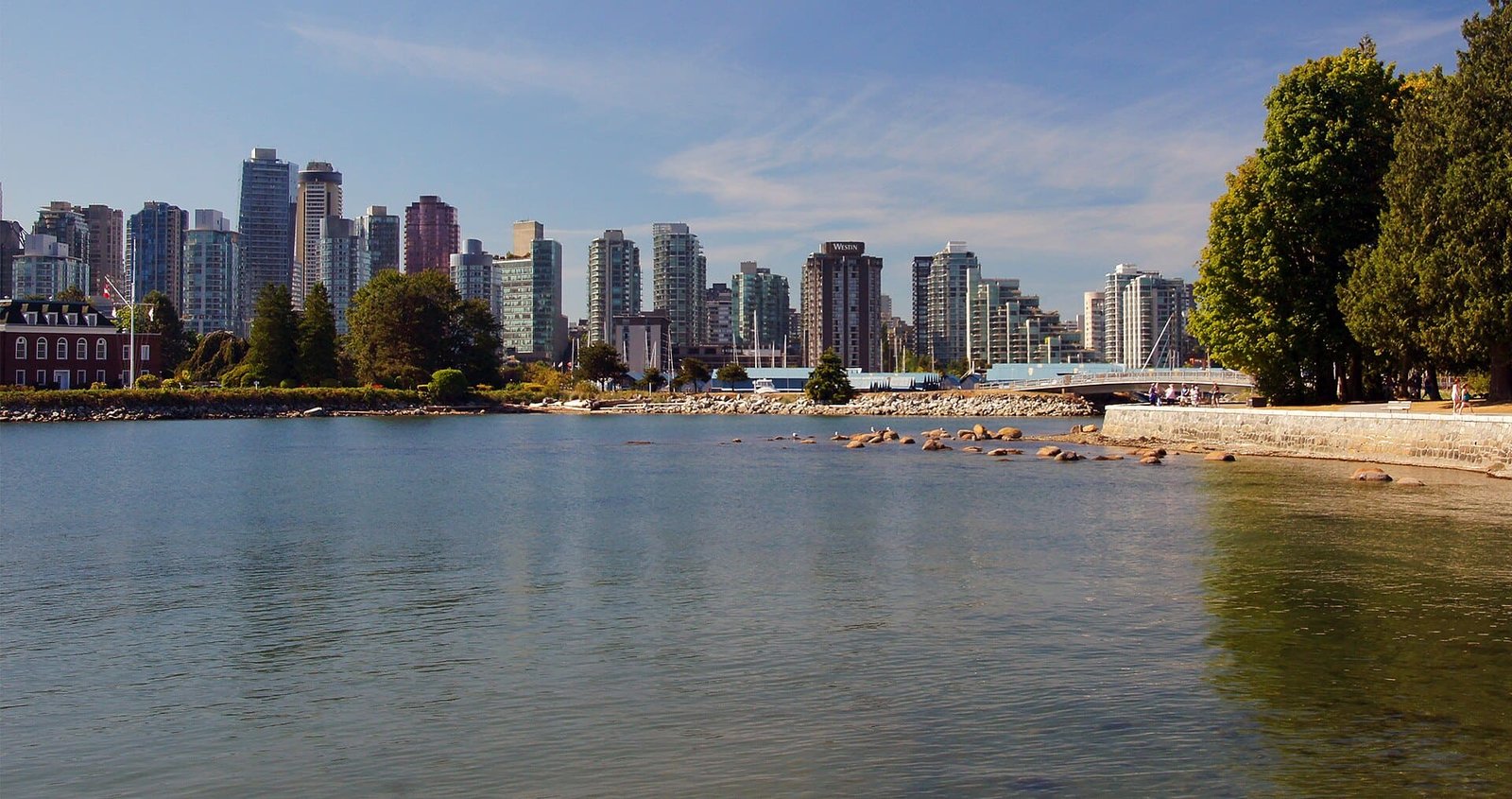
British Columbia

British Columbia

Population 5.7M

Vancouver, Victoria, Surrey

The mildest climate in Canada, ocean and mountains, strong demand in tech and construction. Vancouver housing remains the expense to plan for seriously.

Alberta

Alberta

Population 4.9M

Calgary, Edmonton

No provincial sales tax, high wages, and housing markedly more affordable than Toronto or Vancouver. Energy, transport, healthcare and skilled trades are hiring heavily.

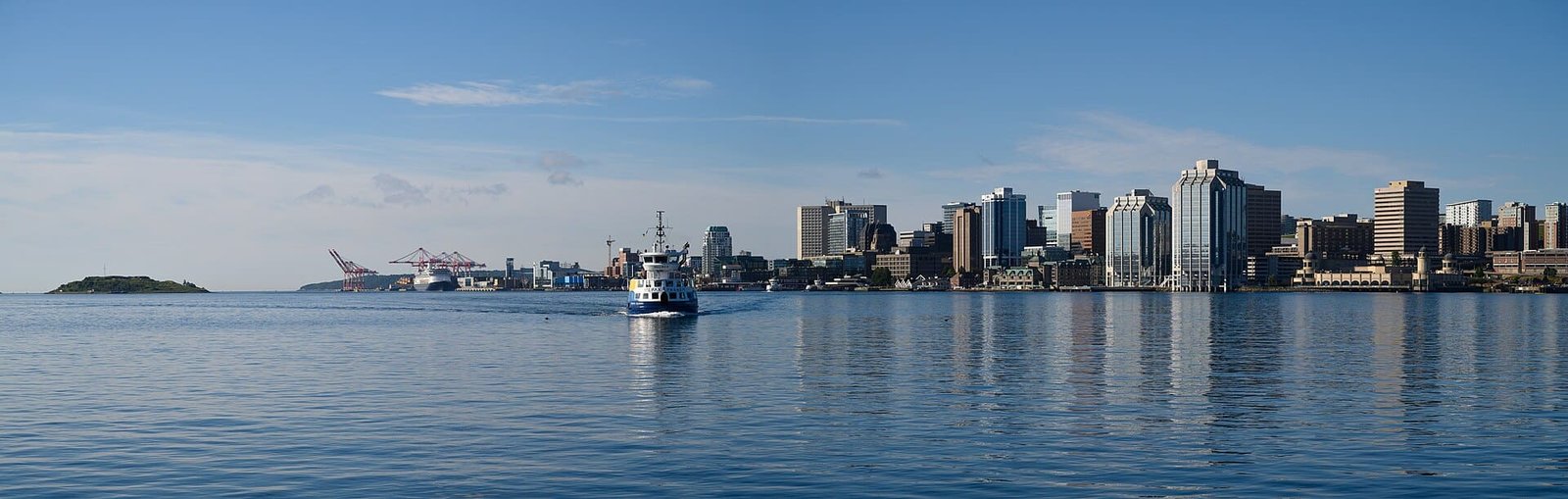
Nova Scotia

Nova Scotia

Population 1.1M

Halifax

An Atlantic province recruiting actively through the Atlantic Immigration Program, often with more accessible criteria and a genuine need for francophone workers.

Manitoba

Manitoba

Population 1.5M

Winnipeg

One of the most open provincial programs in the country, among the lowest costs of living, and a historic francophone community in Saint-Boniface.

Life on the ground

What nobody tells you before you leave

01

The first winter is an ordeal, then a habit

In Montréal, January regularly drops below −20 °C. Everything is heated, ploughed and organised for it: the difficulty is psychological far more than material. Bring a real coat on arrival, not a jacket.

02

Your Tunisian degree counts, but it must be recognised

A foreign credential assessment translates your record into a Canadian equivalent. For regulated professions — medicine, engineering, law, pharmacy — a provincial regulator additionally imposes its own examinations.

03

Housing is settled before departure

Leases are signed remotely, and a newcomer with no credit history often has to advance several months of rent or provide a guarantor. Plan temporary accommodation for the first weeks.

04

Health coverage is not immediate everywhere

In Québec, RAMQ imposes a waiting period of up to three months depending on your status. Private insurance for that window is not a luxury, it is a necessity.

05

The Tunisian community is a genuine shortcut

Montréal, Laval, Brossard, Ottawa and Toronto have active Tunisian communities: mosques, grocers, associations and professional networks that genuinely accelerate settlement and the job search.

06

The first job is rarely the right one

Many qualified newcomers start below their level while they build a first Canadian reference. It is a stage, not a fate: progression is fast for those who document their record well.

Next step

Thirty minutes can change a decade

The eligibility assessment is free and carries no obligation. You leave with a clear answer: which programs are open to you, what you are missing, and what it genuinely costs.

Reply within 48 business hours · No obligation · Full confidentiality